

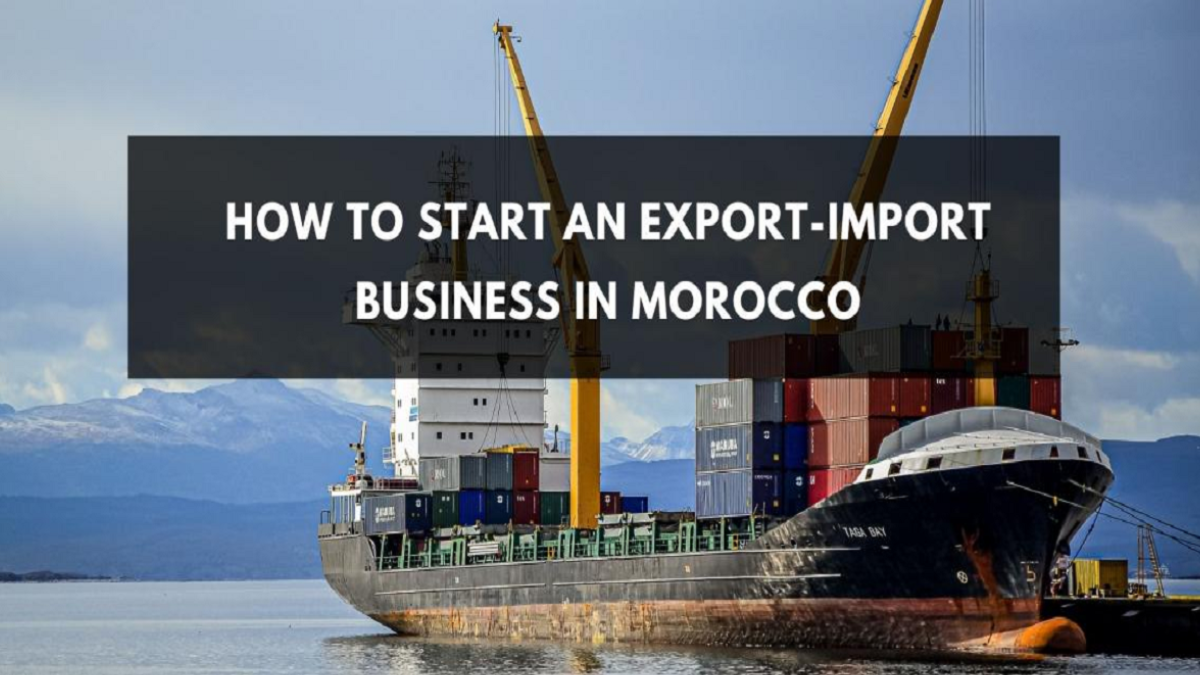
Export to Morocco: A Complete Guide for European Businesses
Exporting goods to Morocco has become an increasingly attractive opportunity for European companies looking to expand into North Africa. Thanks to Morocco’s strategic location, strong trade agreements with the EU, and a growing domestic market, exporting to Morocco can be both profitable and scalable—if done correctly.
This guide explains how to export to Morocco, which documents are required, common mistakes to avoid, and how modern digital platforms simplify the entire export process.
Why Export to Morocco?
Morocco is one of Africa’s most stable and business-friendly economies. It serves as a gateway between Europe, Africa, and the Middle East, making it a strategic hub for international trade.
Key advantages of exporting to Morocco:
• Strong EU–Morocco trade agreements
• Competitive customs duties for many product categories
• Modern ports like Tangier Med, one of Africa’s largest logistics hubs
• High demand for European products
• Growing middle class and B2B demand
Industries such as automotive parts, electronics, machinery, food products, construction materials, textiles, and second-hand goods perform particularly well.
What Products Can Be Exported to Morocco?
Most goods can be legally exported to Morocco, but some require special authorization.
Common export categories:
• Industrial machinery and spare parts
• Vehicles and automotive equipment
• Electronics and household appliances
• Construction materials
• Agricultural and food products
• Cosmetics and personal care products
• Second-hand goods (regulated)
⚠️ Some products require import licenses, conformity certificates, or sanitary approvals.
Required Documents for Exporting to Morocco
Exporting to Morocco involves specific documentation. Missing or incorrect paperwork is the number one reason for delays.
Essential export documents:
• Commercial Invoice
• Packing List
• Certificate of Origin
• Bill of Lading (or CMR for road transport)
• Customs Declaration
• Product conformity certificates (if applicable)
For certain goods:
• Import authorization
• Sanitary or phytosanitary certificates
• Technical compliance documents
Customs Clearance in Morocco: What to Expect
Moroccan customs procedures are strict but transparent. Once your shipment arrives, customs authorities will review all documents before releasing the goods.
Common customs challenges:
• Incorrect product classification (HS codes)
• Missing certificates
• Under- or over-declared invoice values
• Incomplete documentation
Professional preparation significantly reduces clearance time.
Export Costs to Morocco: What Should You Budget?
Export costs vary depending on product type, shipment method, and value.
Typical costs include:
• Customs duties
• VAT (usually recoverable for businesses)
• Logistics and freight costs
• Customs brokerage fees
• Compliance and certification costs
💡 Planning costs in advance avoids cash flow surprises.
Exporting to Morocco Without a Local Partner
Many European exporters assume they need a local Moroccan company—but this is not always true.
With the right structure, you can:
• Export legally without owning a Moroccan company
• Work with licensed importers or intermediaries
• Use digital platforms that handle documentation and payments
This significantly lowers entry barriers for small and medium-sized exporters.
Digital Platforms Simplifying Export to Morocco
Traditional exporting often involves:
• Multiple intermediaries
• Complex bank transfers
• Long payment delays
• Legal uncertainty
Modern export platforms solve these problems by offering:
• Secure transaction handling
• Invoice and compliance management
• Transparent tracking
• Buyer and seller verification
This makes exporting safer, faster, and more scalable.
Common Mistakes When Exporting to Morocco
Avoiding these mistakes can save months of delays and thousands of euros.
Most frequent errors:
• Exporting without verifying product eligibility
• Using incorrect HS codes
• Incomplete invoices
• Underestimating customs timelines
• Trusting unverified buyers
A structured export process is essential.
Payment Security in Moroccan Exports
Payment risk is one of the biggest concerns for exporters.
Safe payment methods:
• Advance payments
• Escrow-based transactions
• Documentary credit (LC)
• Platform-managed payments
Never ship goods without a secured payment structure.
Exporting Second-Hand Goods to Morocco
Second-hand goods are allowed but strictly regulated.
Requirements often include:
• Proof of origin
• Technical inspection
• Compliance with Moroccan import rules
• Environmental and safety standards
This category requires extra attention but can be highly profitable.
How to Start Exporting to Morocco Successfully
To export efficiently, follow these steps:
1. Identify eligible products
2. Verify compliance requirements
3. Prepare accurate documentation
4. Secure payment
5. Choose reliable logistics
6. Use a structured export platform
Preparation is the key to success.
Final Thoughts: Morocco Is a Strategic Export Market
Exporting to Morocco offers enormous opportunities for European businesses. With the right preparation, correct documentation, and modern tools, exporters can access a growing market with high demand for European products.
The future of international trade lies in digital, transparent, and secure export solutions—and Morocco is one of the most promising destinations in North Africa.